Eerder dit jaar ben ik begonnen met hardlopen. Sinds mijn kinderjaren loop ik al op steunzolen dus ik wilde goede voorlichting. Ten eerste begon ik met het vernieuwen van mijn eigen oude steunzolen. De steunzool-expert drukte me op het hart om ‘echt goede schoenen te nemen’.
Dus een week of wat later ben ik naar een hardloopwinkel gegaan. Met speciale video opnamen werd er een schoen uitgekozen.
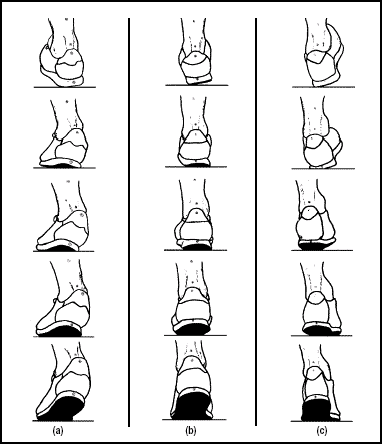
Omdat mijn voeten ontzettend doorzakken (over-proneren, zie deze link voor uitleg) was het nog best lastig om een goede schoen te vinden die mijn voet voldoende ondersteunde zodat ik tijdens het afwikkelen niet al te ver doorzakte.
Ik heb een stuk of 6 paar schoenen aangehad. Daarvan zaten er 5 lekker. Maar slechts 1 paar ‘anti-proneerde’ genoeg om mijn voet enigszins recht te doen blijven staan tijdens het afwikkelen. (Natuurlijk was dit ook het duurste paar).
Tevreden (en 130 euro lichter) liep ik de winkel uit.
Nu heb ik zojuist dit artikel gelezen, getiteld: Debunking the myth of specialized running shoes.
(Je snapt het al, ik zag ‘debunking’ en ‘myth’ staan, dus dat moest gelezen worden ;))
Specialized running shoes, designed to address different degrees of under- or overpronation, could indeed reduce the impact forces shooting up through the legs of runners in lab testing. In the United States, sales of these high-tech shoes jumped from 25 million pairs in 1988 to 40 million in 2009, and growth was similar in Canada.
But there was just one problem: Running injuries didn’t disappear. While reliable statistics are hard to find, it appears that levels of common running injuries, such as plantar fasciitis, Achilles tendinitis and runner’s knee, have stayed roughly constant.
Biomechanica-onderzoeker en co-directeur van het ‘Human Performance Lab’ van de Universiteit van Calgary, Dr. Benno Nigg, begon geleidelijk aan te realiseren dat het idee van ‘de juiste schoen’ misschien niet juist was.
Want hoewel studie na studie liet zien dat een schoen invloed had het opvangen van de schokken tijdens het lopen, kon niemand bewijs leveren dat deze invloed koppelde aan een toe- of afname in blessures.
Gelukkig bestaat er wetenschappelijk onderzoek.
In een grote test werden 81 vrouwen die 13 weken lang gingen trainen voor een halve marathon, verdeeld over drie groepen gebaseerd op voeten-type en aantal graden pronatie. Maar, in plaats van het geven van het ‘correcte’ schoenen-type, werden de vrouwen willekeurig drie typen schoenen toebedeeld: neutraal, stabiliteit of bewegingscontrole.
En dat maakte hoofdauteur Michael Ryan een beetje nerveus.
“We were a bit nervous, because … if you see someone who is highly pronated, putting them in a neutral shoe may be a recipe for causing more pain”.
Maar hij had zich geen zorgen hoeven te maken: Zesentwintig van de 81 vrouwen (32%) gaven aan blessures te hebben, maar er was erg weinig correlatie tussen voettype, schoentype en blessures.
In fact, subjects who received the “correct” shoe for their foot type were even more likely to get injured or report discomfort than those running in the “wrong” shoes. More than half of the subjects assigned to motion-control shoes – the heaviest and bulkiest category for severe pronators – reported injuries, including all five of those with highly pronated feet.
Wat is dan wél van belang? Volgens Dr. Nigg moeten we voornamelijk letten op comfort. Hij gaf 206 soldaten 6 verschillende zolen, en ze moesten degene gebruiken die ze het prettigste vonden zitten.
There was no apparent connection between the soldiers’ foot types and the inserts they chose, but the number of injuries dropped significantly.
Dr. Ryan agrees: “The shoe should feel balanced. If it’s over- or undersupported, your lower leg muscles will have to work harder, which will make it feel less comfortable.”
As buying advice goes, that may seem a bit vague, but at least it’s simple – and until further studies are completed, it’s the best we’ve got.
Foto voorkant: mijn eigen hardloopschoen.